Choosing the Right School for Your Dental Career

Updated: Apr 22
How Long Does It Take? Speed Matters
Time is money, especially when you want to start working ASAP. Private dental assistant schools often offer accelerated programs. You can finish in as little as 3 to 6 months. That’s because they focus solely on dental assisting and keep the schedule tight.
Community schools, on the other hand, usually take longer. Their programs might stretch from 1 to 2 years. They often include general education classes alongside dental training, which adds time.
If you want to get into the workforce quickly, private schools have the edge. They’re designed for fast-track learning. But if you prefer a more traditional pace with a broader education, community schools might suit you better.
What About Cost? Budgeting Your Education
Cost is a huge factor. Private dental assistant schools tend to be pricier. You might pay anywhere from $3,500 to $5,000 depending on the program and location. But remember, you’re paying for speed and focused training.
Community schools are usually more expensive. Tuition can range from $30,000 to $40,000. You might qualify for financial aid or scholarships more easily at community colleges.
Here’s a quick cost comparison:
Private School: $3,500 - $5,000
Community School: $30,000 - $40,000
Think about your budget and how soon you want to start earning. Sometimes paying a bit more upfront for a private school means you’ll land a job faster and start making money sooner.

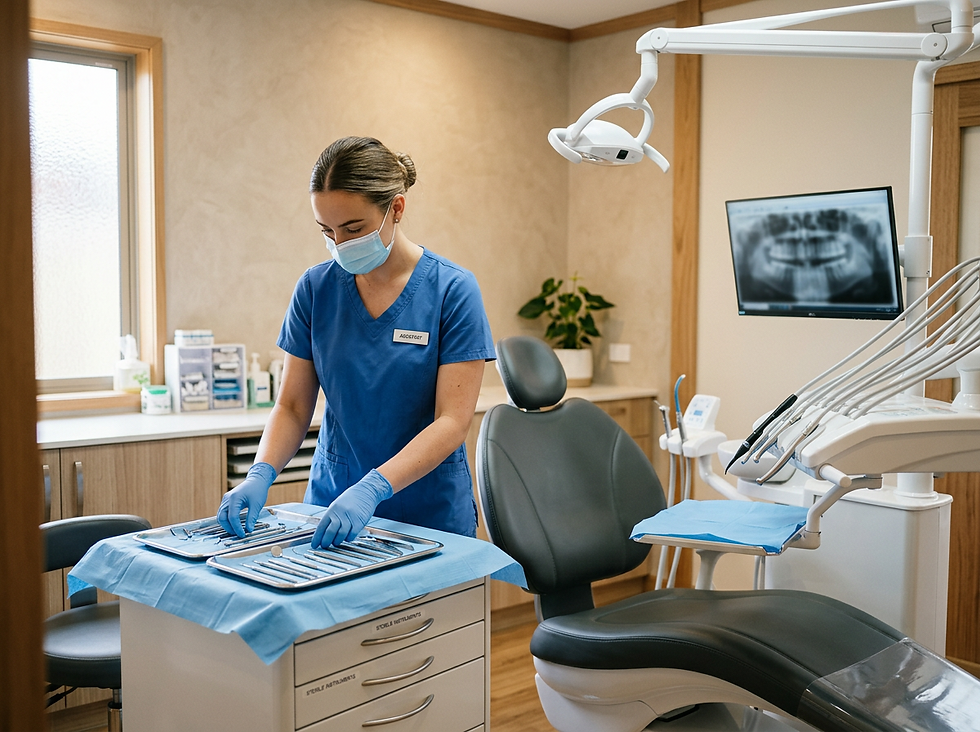
Focused dental assistant training environment at a private school
Clinical Hours: Getting Hands-On Experience
Nothing beats real-world practice. Clinical hours are where you learn to apply your skills on actual patients or in simulated settings. This experience is crucial for confidence and job readiness.
Private dental assistant schools often guarantee a set number of clinical hours. They partner with local dental offices to provide hands-on training. You might get 100 to 200 clinical hours packed into your program.
Community schools also offer clinical hours, but the amount can vary widely. Some programs require fewer hours, or the clinical experience might be less structured.
If you want solid, guaranteed clinical practice, private schools usually deliver. This hands-on time helps you stand out when applying for jobs.
Instructor Access: Who’s There to Guide You?
Access to instructors can make or break your learning experience. Private schools typically have smaller class sizes. That means more one-on-one time with instructors who are often dental professionals themselves.
Community schools might have larger classes and less personalized attention. Instructors are qualified but may have less time for individual students.
If you thrive with direct mentorship and quick feedback, private schools shine here. You get to ask questions, practice skills under supervision, and build relationships that can help with job placement.

Instructor providing hands-on guidance during dental assistant training
Which One Fits Your Goals Best?
Choosing between private dental assistant school and community school depends on your priorities. Here’s a quick checklist to help you decide:
Want to start working fast? Private school is your best bet.
Need to keep costs low? Community school might be better.
Looking for lots of clinical practice? Private schools usually offer more guaranteed hours.
Prefer personalized instruction? Private schools often have smaller classes and more instructor access.
Want a broader education with general courses? Community schools provide that.
Remember, the goal is to get real-world skills and land great jobs in dental offices across the Greater Atlanta Area. The right program will set you up for success.
Taking the Next Step
If you’re ready to dive in, check out programs like Modern Dental Career Training of Cumming. They specialize in fast, hands-on dental assistant training designed to get you job-ready quickly. Their focus on clinical hours and instructor support makes them a top choice for people looking to start a dental career quickly.
Don’t wait around. The sooner you start, the sooner you’ll be working in a dental office, gaining experience, and building your future.
Final Thoughts on Your Dental Career Path
Choosing the right dental assistant school is about balancing time, cost, clinical experience, and support. Whether you pick private or community, make sure the program fits your lifestyle and career goals. You’re on the path to a rewarding dental career - now go get it!
In conclusion, the decision between private and community dental assistant schools boils down to your personal goals and circumstances. If you're looking for a quick, focused education with hands-on training, private schools are likely your best option. However, if you want a more traditional educational experience with a broader curriculum, community colleges may be the way to go. Whatever you choose, remember that the right training will pave the way for a successful career in dentistry.


Comments